November 2, 2026
When DIY Ends in Disaster: The Case for Professional Tree Removal
By @professionaltreeremovalfocus
The Weight of a Tree
There is a moment, usually right after the chain saw bites into a branch and the whole limb starts to twist the wrong way, when you realize that a tree is heavier and more unpredictable than it looked from the ground. I have seen that look on homeowners' faces more times than I can count. A tree that has stood for decades, through storms and droughts, suddenly becomes a liability. And the instinct to handle it yourself is strong. Renting a saw, watching a few videos, calling a friend with a truck - it feels like the right move. But a tree is not just a big weed. It is a complex, living structure with internal stresses that shift the moment you start cutting. That is where experience matters, and where professional tree removal becomes more than a service. It becomes a safety net for your property and your family.
Reading the Signs Before the Storm
The trees in Volusia County know hurricanes. They lean with the prevailing winds, their root systems spread wide to hold the sandy soil. But even a healthy tree can fail under the wrong conditions. I have walked properties where the owner was worried about a single dead branch, when the real danger was a hidden crack in the trunk three feet above the ground. A professional assessment catches those things. An arborist sees the subtle lean, the fungal conks at the base, the bark that has started to peel in ways that do not match the season. That kind of reading takes time in the field. It is not something you pick up from a manual.
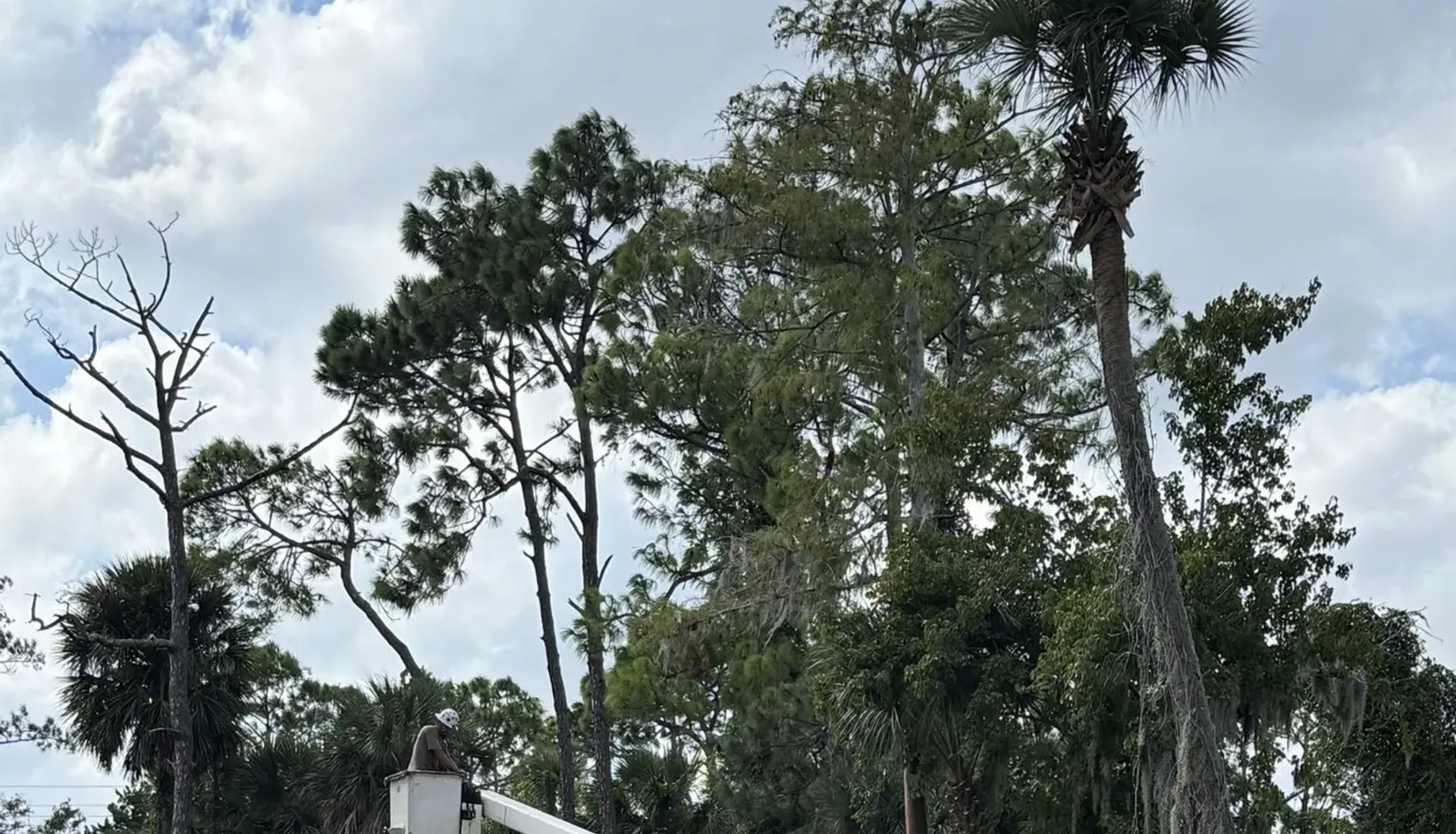
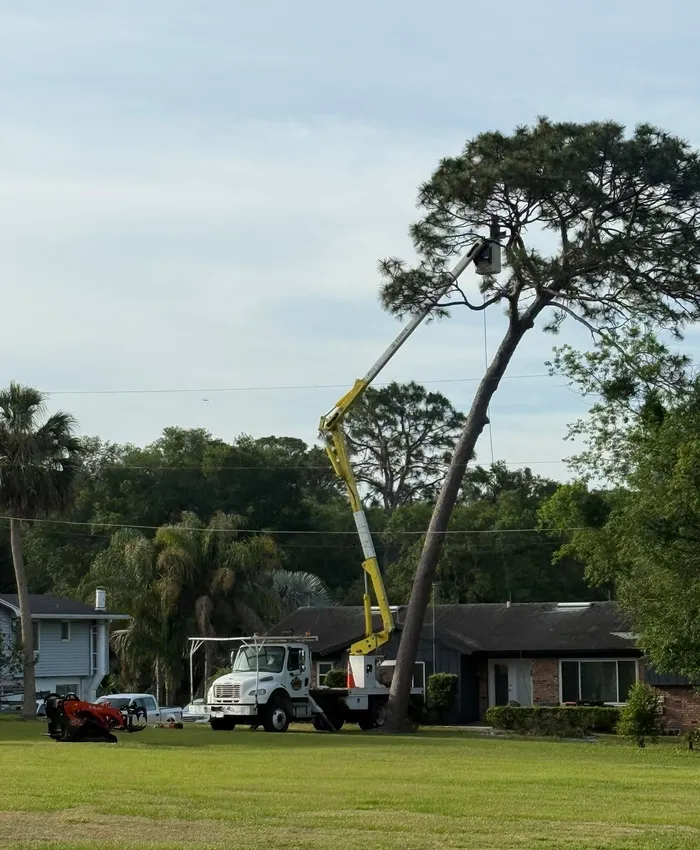
When you call for professional tree removal, you are paying for that set of eyes. The crew does not just show up with a saw. They walk the drop zone, figure out the fall line, and account for wind, power lines, and that trampoline the kids left in the backyard. They have insurance, which matters more than most people realize. A falling limb can punch through a roof like it is paper. A misjudged cut can bring a tree down on a neighbor's fence or, worse, on a person. I have cleaned up after those jobs. They are not cheap, and they are not covered by homeowner's insurance if you were the one holding the saw.
Connect with us on YouTube.
The Mechanics of a Clean Cut
There is a rhythm to taking down a tree safely. It starts with a notch cut on the side facing the intended fall direction. Then comes the back cut, slightly above the notch, leaving a hinge of wood that guides the tree as it goes over. That hinge is critical. Cut too deep, and the tree can split and fall backward. Cut too shallow, and the hinge breaks early, leaving the tree to twist as it falls. I have seen both happen. Each time, the result is a tree hung up in another tree, or a trunk that shatters on impact, spraying splintered wood across the yard. Professional tree removal crews practice these cuts until they are second nature. They also carry the right equipment for the job. A climbing saw for the high work, a ground saw for the trunk, wedges to keep the saw from binding, and ropes to lower heavy limbs in sections. That gear is expensive and specialized. It is not the chain saw you keep in the garage for pruning crepe myrtles.
When the Tree Is Already Down
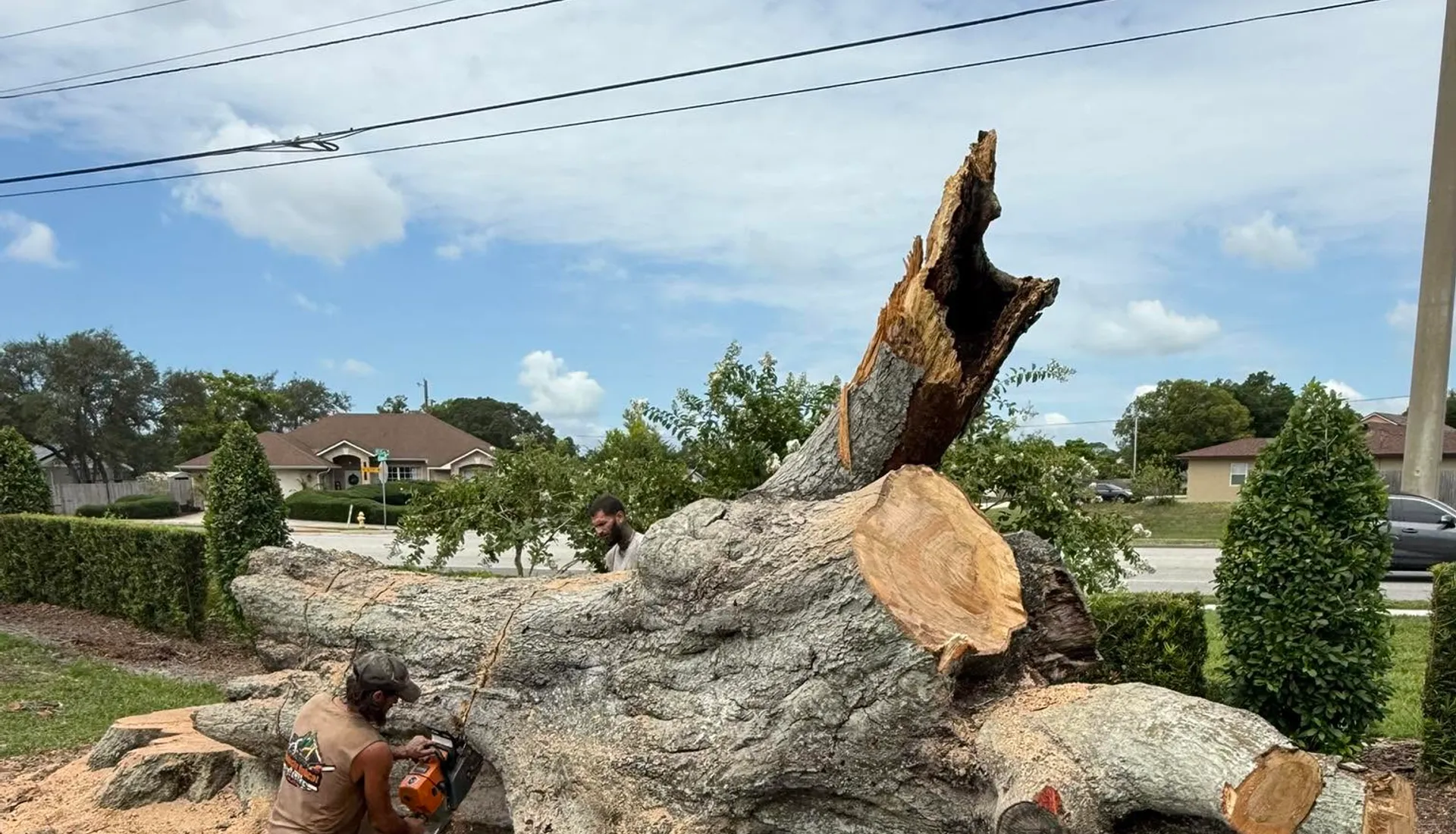
Sometimes the decision is made for you. A storm rolls through overnight, and you wake up to a tree across the driveway, or worse, across the house. Emergency tree work is a different beast. There is no time for a leisurely walk-around. You need the tree off the structure before the weight causes more damage, and you need it done without pulling the roof apart. That requires rigging. The crew sets up a pulley system on a nearby healthy tree, or on the trunk itself, and lowers each section of the fallen tree in controlled pieces. It is slow, methodical work, and it is exhausting. I have done it in the rain, in the dark, with the homeowner standing in the doorway watching. They are always grateful, but they are also always a little shaken. They understand, in that moment, why the cost of professional tree removal is worth it.
The Aftermath: Stumps and Splinters
Once the tree is down and the branches are stacked, the real work begins. A stump left in the ground is a tripping hazard, a termite magnet, and a constant source of new shoots. Grinding it out is the only way to reclaim the space. A stump grinder chews through wood and roots to about six inches below grade, leaving a pile of mulch that you can spread or haul away. It is not a glamorous job, but it makes a difference. The same goes for the brush pile. A tree service will usually chip the smaller branches and haul off the logs. Some will even leave the wood cut to fireplace length if you ask. That is a small bonus, but it keeps the wood out of the landfill and saves you a trip to the store for firewood.
I have seen too many yards where a tree was taken down by a handyman with a saw, and the stump was left to rot. The homeowner spends the next few years mowing around it, stubbing their toes, and watching suckers pop up in the flower bed. That is the kind of corner-cutting that costs more in the long run. A complete job includes cleanup. It is not just about removing the tree. It is about leaving the yard in a state where you can use it again.
The Hidden Costs of Going Cheap
Price is always a factor. I get it. Tree work is expensive. A single large oak can run into the thousands, especially if it is near a house or has to be taken down in sections. But cheap tree work is a gamble. I have seen uninsured crews drop trees on fences, on sheds, and on cars. I have seen them leave stumps three feet high. I have seen them damage the lawn with heavy equipment and drive off without a word. The savings you get from a low bid evaporate the first time something goes wrong. Professional tree removal is not just about the cut. It is about the liability, the insurance, the cleanup, and the peace of mind that comes with knowing the job was done right.
There is also the matter of disposal. A full tree service hauls the debris to a facility that recycles it into mulch or firewood. A handyman might dump it in the woods behind your house or, worse, along a county road. That is not just unsightly. It is illegal in most places. A legitimate company has the permits and the relationships to dispose of waste properly. That is part of what you pay for.
Planning for the Future
Tree work is cyclical. You trim now to avoid a removal later. You remove a dead tree now to prevent a storm damage claim later. I always tell homeowners to walk their property after a heavy rain. Look for soil heaving around the base of large trees. Look for cracks in the ground that radiate outward from the trunk. Those are signs that the root system is failing. A tree with a compromised root system is a tree that will fall in the next big wind. Call someone to look at it before the storm, not after. A consultation is cheap. A removal after the tree has already fallen is not.
If you live in an area with sandy soil and seasonal storms, like Volusia County, that advice is even more relevant. The ground here does not hold roots the way clay does. A healthy tree can still tip over if the soil is saturated and the wind is strong enough. That is just physics. But you can reduce the risk by keeping your trees pruned, removing dead wood, and taking down trees that are too far gone to save. It is maintenance, plain and simple. And it is cheaper than a new roof.
Volusia Bobcat & Tree Service, located at 210 Valencia Rd, DeBary, FL 32713, can be reached at +1 386-675-7898 for professional tree removal, trimming, stump grinding, emergency services, and firewood sales in the Volusia County area.
❧